How to spot fake anime figures
Bootleg vs real is not one magic check — it is a short stack of checks, half of which you can run before you ever pay, and the other half on photographs of the actual figure before it crosses a border. This page walks through both halves, in order.
Published 2026-09-01 · every method here is something you can verify yourself — no unverifiable "percent of figures are fake" claims anywhere on this page
What a bootleg actually is: an unauthorized copy of a licensed figure, usually recast from a mold taken off a genuine piece. That single fact drives almost every tell on this page — a copy of a copy comes out slightly smaller, softer in sculpt detail, sloppier in paint, and it cannot reproduce the licensing marks that the rights holder controls. Marketplaces mix licensed stock and bootlegs in the same search results, and Taobao is no exception; the listings look similar, which is exactly why the checks below exist.
Before you pay: five checks on the listing
- Price sanity — against the maker's own page, not against other listings. Look up the figure on the maker's site (Good Smile Company, ALTER, Kotobukiya, Aniplex and the other majors all publish product pages with the official price and release date). A current scale figure offered at a fraction of that price has no honest explanation; a discontinued one can legitimately go above it. Comparing listings against each other tells you nothing — a search result full of bootlegs agrees with itself.
- In-hand photos, not just promo renders. Official promotional renders are freely copyable, and bootleg listings lean on them. A seller with real stock can photograph it: the actual box on an actual shelf, the figure out of the blister, the base markings. On Taobao listings, scroll past the first images — resellers of genuine stock almost always include their own photos further down.
- The listing names the maker, scale and release — and gets them right. Genuine-stock sellers state maker, series, scale (1/7, 1/8…) and release window, because that is what their buyers search for. Bootleg listings tend to omit the maker, garble the scale, or attach a famous maker's name to a product that maker never released — thirty seconds on the maker's site settles it.
- Watch the wording. On Chinese marketplaces, listings for genuine goods say things like 正版 (licensed) and name the distributor; euphemisms you should read as "not licensed" include 祖国版 ("motherland version") and similar coyness. A listing that avoids claiming licensed status usually has a reason. If you paste a link into our site, note that our ordering flow screens listings against counterfeit-goods keywords and will refuse ones that trip it — that screen catches wording, not physical fakes, which is what the rest of this page is for.
- Reviews with buyer photos. Buyer-uploaded photos in reviews are the closest thing to an in-hand inspection before you own the item. Look for the base, the paint edges on small details (eyes, hair tips, fingers), and box printing. Text-only praise is easy; photographs are evidence.
After it arrives: what QC photos let you check
When your figure reaches our warehouse, a real person photographs the actual item — and this is where the remaining checks live, before international shipping rather than after:
- The base. Licensed figures carry a molded or printed copyright line — maker, rights holder, year. Missing, misspelled or suspiciously shallow markings are the classic bootleg tell.
- Paint and seams. Look at the smallest painted details: eye decals sitting straight, clean color borders on hair tips and fingers, seam lines that were finished rather than left sharp. Bootlegs fail here first, because finishing is the expensive part.
- The box. Compare printing crispness, colors and the exact box art against photos of the official release. Blurry printing, washed-out color or a window cut that does not match the original are all copy artifacts.
- Fit in the blister. Genuine figures ship in blisters molded for that exact sculpt. A figure rattling in a generic tray, or protective film applied carelessly, is worth a closer look.
If the standard photo set is not enough for an expensive piece, the fine inspection and extra photo services exist to get you closer — ask for the base and the face specifically, since those are where the evidence concentrates. Our own line in the sand is written in the anti-counterfeiting policy: we refuse to purchase counterfeit or infringing items, full stop. The photos exist so that the judgment on ambiguous cases is made by you, on evidence, before shipping — not after unboxing.
Cheap ≠ fake: know which category you are looking at
- Scale figures (1/7, 1/8, 1/4…) are the premium category and the main bootleg target. Everything on this page applies at full strength.
- Prize figures — the lines made by Banpresto, SEGA, Taito and others for arcade machines and lotteries — are legitimately inexpensive. A cheap prize figure is normal; a "cheap 1/7 scale" is a contradiction that needs explaining.
- Garage kits are small-run resin kits. Some are licensed event releases; many recasts circulating on marketplaces are not. Recast kits are unauthorized copies — the same category of thing as a bootleg figure, and not something we will purchase.
- Trading figures and gacha sit in between: licensed, inexpensive, and copied often enough that the box and markings checks still earn their keep.
Real figure listings, today
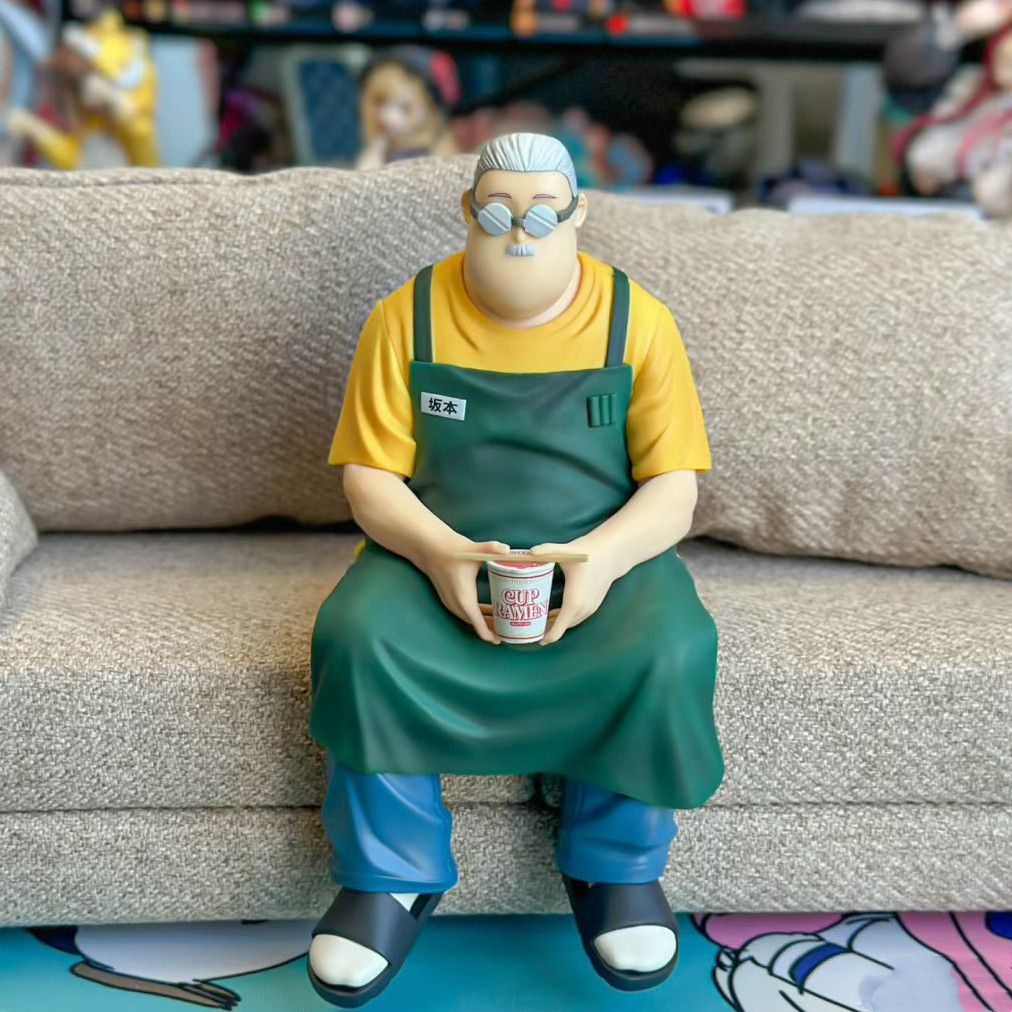
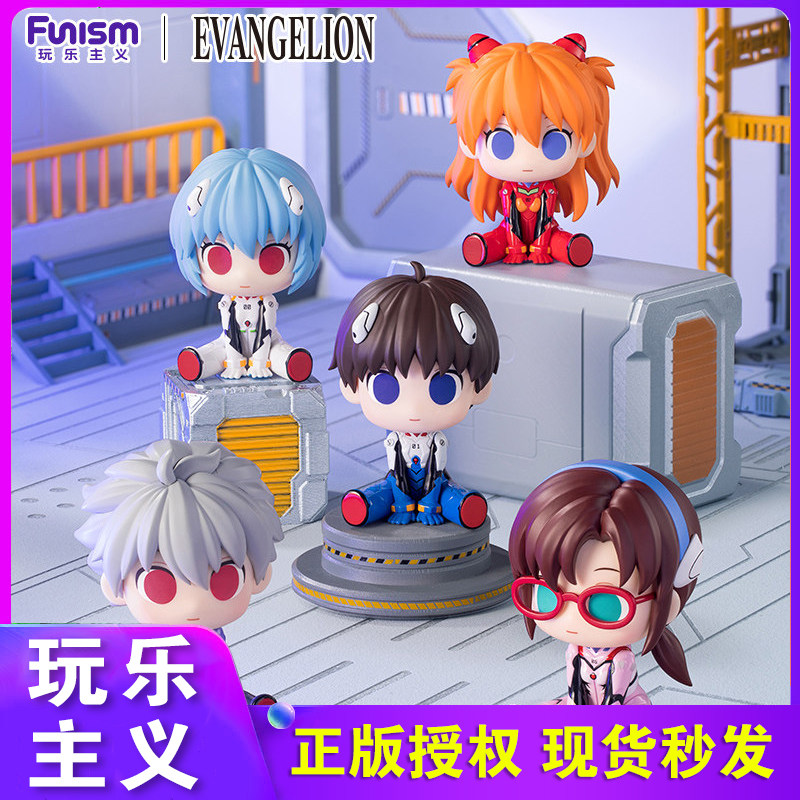
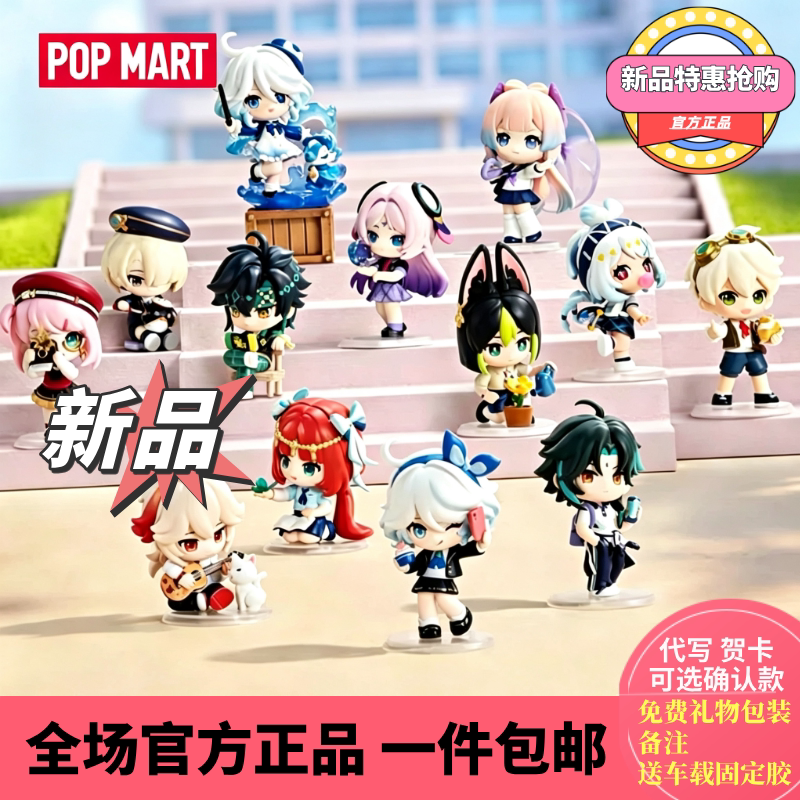
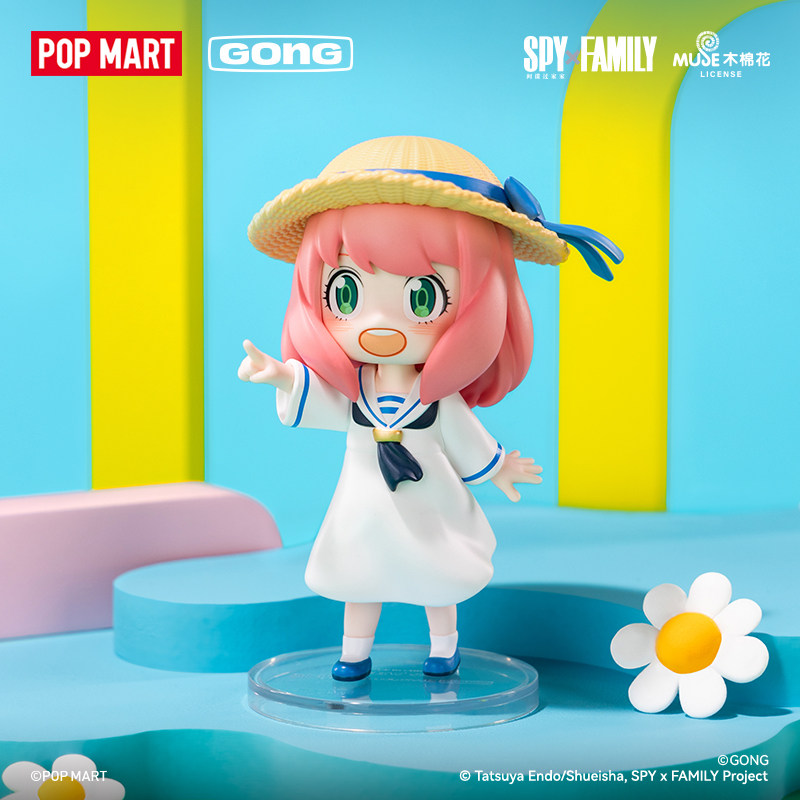
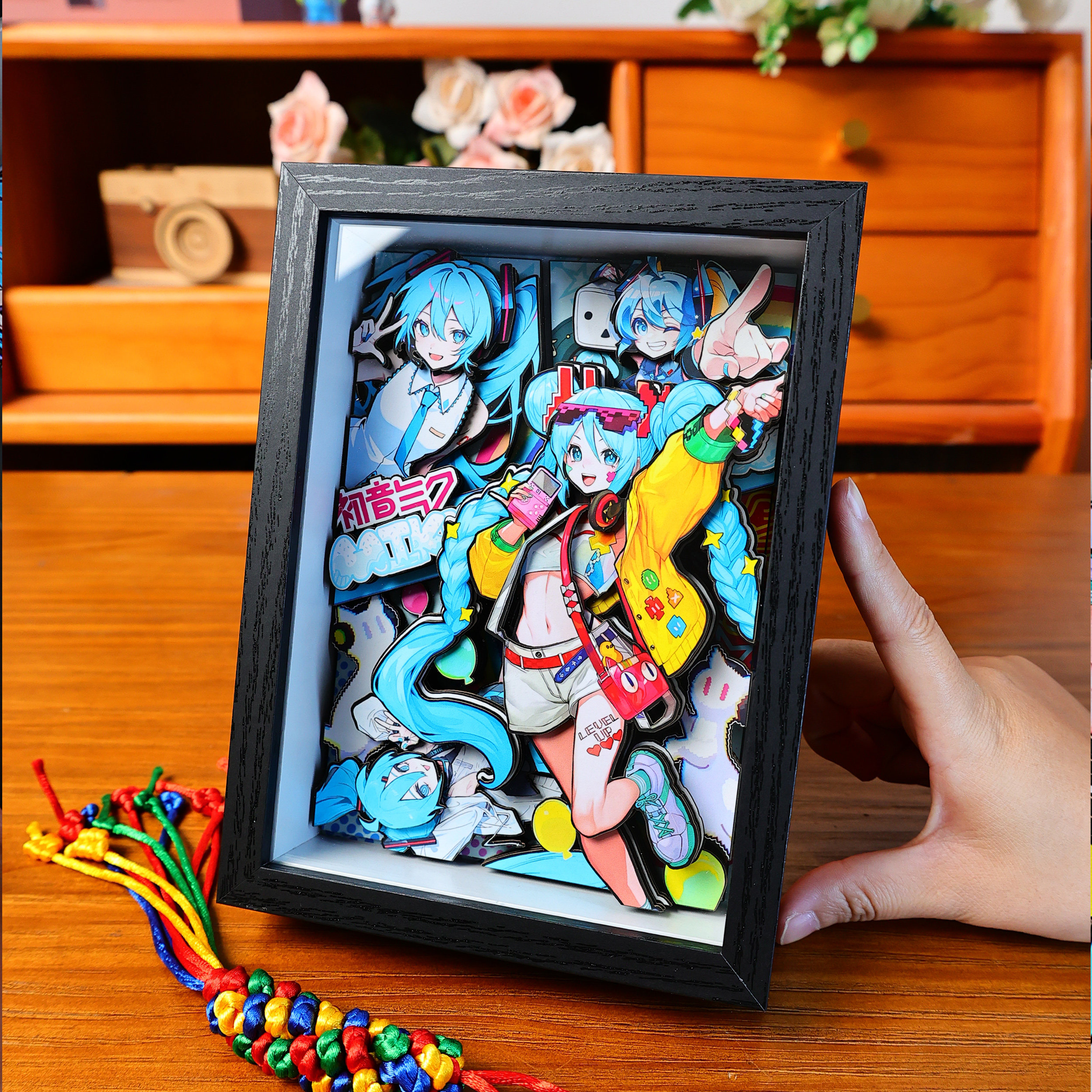
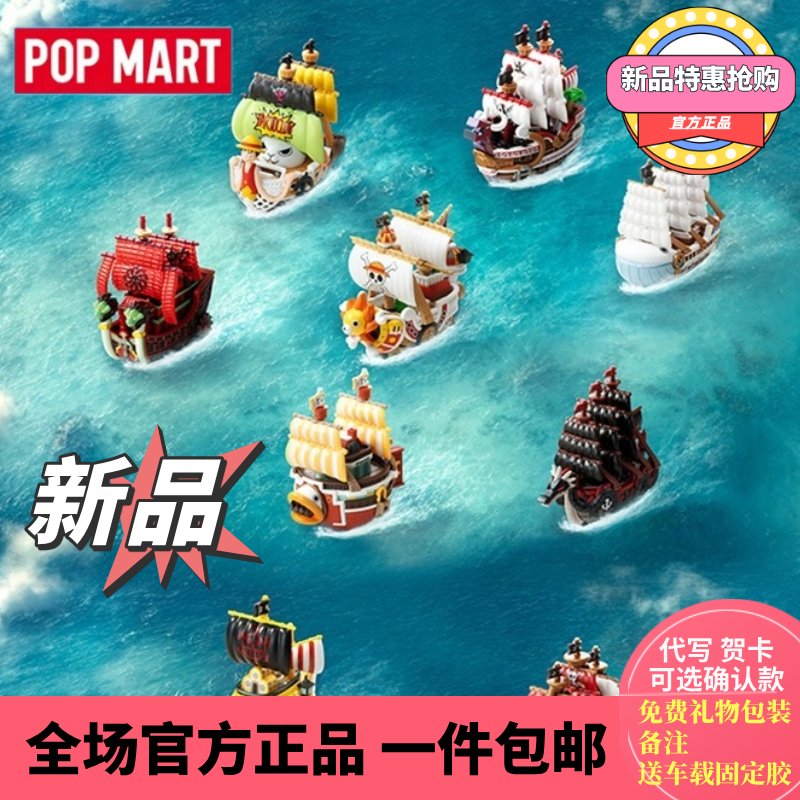
These are live listings from our anime figures category page — each one opens as a real product you can inspect with the checks above. The set rotates daily from a pool our crawler re-checks weekly, so what you see here is today's answer, not a stored one.
What we can't tell you
- A percentage. You will find pages claiming some share of marketplace figures are fake. We have no way to verify such a number and neither do they — so it does not appear here.
- A verdict from a photo alone. QC photos give you the evidence — base, paint, box — but a skilled recast can survive a single photo. Stack the checks; do not rest on one.
- That a specific seller is safe forever. Stock changes hands. The checks are per-listing for a reason.
FAQ
How can you tell if an anime figure is fake?
Before you pay: compare the price against the maker's own product page (a current scale figure at a fraction of its listed retail price is the loudest warning), check whether the seller shows in-hand photos rather than only official promotional renders, and read the listing for the maker's name, scale and release date — bootleg listings tend to omit or garble them. After it arrives: check the base for the engraved or printed copyright line (maker, rights holder, year), look at paint edges and seam lines, and compare the box printing against photos of the official release. No single check is proof on its own; several failing together is.
Where can I buy authentic anime figures?
The safest sources are the makers' own stores and their listed distribution partners — and on marketplaces, sellers whose listings behave like authorized stock: real in-hand photos, the maker named in the title, prices in line with official retail, and pre-order windows that match the official release calendar. On Taobao that usually means brand and hobby specialty stores rather than the cheapest search result. Our figures category page lists real listings you can open and judge with exactly the checks on this page.
What does "bootleg" actually mean?
An unauthorized copy: someone recasts or re-manufactures a licensed figure without holding the rights, usually from a mold taken off a genuine piece. That is why bootlegs are typically a little smaller, softer in detail and sloppier in paint than the original — a copy of a copy loses information. It is not the same thing as a cheap-but-licensed line: prize figures are inexpensive and completely legitimate.
Bootleg vs real Miku figure — why is Miku singled out so often?
Hatsune Miku is one of the most-bootlegged characters simply because she has one of the largest catalogues — hundreds of licensed figures across many makers and years, which gives copiers cover. The checks are the same as for any figure, applied more strictly: identify exactly which official release the listing claims to be (maker, series, scale, year), then compare price and photos against that specific release rather than against "a Miku figure" in general.
Are cheap figures on Taobao always fake?
No — and price alone cuts both ways. Prize figures (the lines made for arcade machines and lotteries) are legitimately inexpensive, and clearance on older stock is real. The signal is not "cheap", it is "cheap for what it claims to be": a current, in-production 1/7 scale figure offered far below the maker's listed price has no honest explanation. When a listing is cheap, work out which category it actually belongs to before assuming either way.
Will DogeGoo buy a figure that turns out to be a bootleg?
We refuse to purchase items that are counterfeit or infringing — that is written policy, and our search and ordering flow screens for counterfeit-goods keywords. What we add beyond the policy: after your figure arrives at our warehouse, a real person photographs the actual item, so you can look at the base markings, paint and box yourself before it ships internationally. If you want closer coverage, the fine-inspection and extra-photo services exist for exactly this. What we cannot do is authenticate on your behalf — the photos give you the evidence, and the judgment stays yours.
Keep reading
- Anime figures from China — the category page, with today's full rotation of listings.
- How to order from Taobao — the full walkthrough, from link to doorstep.
- Taobao cosplay shops — the same verified-seller methodology, applied to cosplay.
- Shipping calculator — real carrier prices for your weight and country.
- Anti-counterfeiting policy — the written version of the line we hold.
The listings shown on this page are real marketplace items with their current prices, drawn from a pool our crawler re-checks weekly and rotated daily; they open as normal product pages. Everything else on this page is method, not measurement — where a number cannot be verified, this page does not print one.